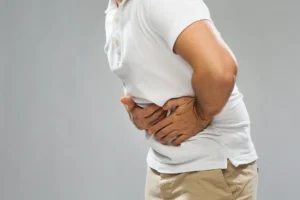


Gallstones and gallbladder attacks are closely related, but they are not the same thing. Gallstones are hardened deposits that form inside the gallbladder. Many people have gallstones without noticing any symptoms. A gallbladder attack can happen when a gallstone blocks the flow of bile through a bile duct, causing sudden and often severe pain.
Understanding gallstone symptoms vs gallbladder attack can help you recognize when abdominal pain may need medical attention. Some symptoms can be mild or temporary, while others may signal a blocked bile duct, infection, or another complication.
Gallstone Symptoms vs Gallbladder Attack: What Is the Difference?
The simplest way to understand the difference is to think of gallstones as the cause and a gallbladder attack as a possible result.
Gallstones are solid pieces of material, usually made from cholesterol or bilirubin, that develop in the gallbladder. They may be as small as grains of sand or much larger. Gallstones that do not block the bile ducts often cause no symptoms at all. These are sometimes called silent gallstones.
A gallbladder attack, also called biliary colic, occurs when a gallstone blocks a bile duct. The blockage can increase pressure in the gallbladder and cause sudden pain, often in the upper right part of the abdomen. The pain may also spread toward the back or right shoulder.
Quick comparison
| Gallstones | Gallbladder attack |
| Hardened deposits inside the gallbladder | Painful episode caused by a blockage |
| May cause no symptoms | Usually causes noticeable pain |
| Can remain silent for years | Often causes sudden upper abdominal pain |
| Do not always require treatment if asymptomatic | Requires medical evaluation, especially if symptoms are severe or persistent |
| May eventually block a bile duct | Can lead to complications if blockage continues |
What Do Gallstone Symptoms Feel Like?
Many people with gallstones have no symptoms. Symptoms generally develop when a stone blocks a bile duct or causes another gallbladder problem.
When symptoms do occur, they may include:
- Pain in the upper right abdomen
- Pain in the center of the upper abdomen
- Pain that spreads to the back or right shoulder
- Nausea
- Vomiting
- Pain that starts or becomes worse after eating, particularly after a heavy or fatty meal
Gallstone-related pain may last from several minutes to several hours. It can be difficult to tell whether the pain is coming from the gallbladder because similar abdominal symptoms can occur with other conditions.
What Does a Gallbladder Attack Feel Like?
A gallbladder attack typically causes sudden pain in the upper right abdomen. The pain can also occur in the middle of the upper abdomen and may travel to the back or right shoulder.
The pain may begin after eating and can last for several hours. Nausea and vomiting may occur along with the pain.
One important point is that a gallbladder attack does not necessarily mean the gallbladder itself is infected. The initial attack can result from temporary blockage when a stone moves into a bile duct. If the blockage remains, however, complications such as gallbladder inflammation, infection, or pancreatitis can develop.
How Long Does a Gallbladder Attack Last?
A gallbladder attack can last from about an hour to several hours. The pain may stop when the gallstone moves and the bile duct is no longer blocked.
However, pain that continues for several hours should not simply be ignored. Persistent pain can indicate that a blockage remains or that a complication has developed.
Seek prompt medical attention if abdominal pain is severe or persistent, especially when it occurs with fever, chills, vomiting, jaundice, dark urine, or light-colored stools.
Common Signs of Gallbladder Problems
Gallbladder problems do not always look the same. Some people experience only abdominal pain, while others develop digestive or bile-flow changes.
Common symptoms can include:
Upper abdominal pain
Pain is one of the most common symptoms of symptomatic gallstones. It usually occurs in the upper right abdomen or upper middle abdomen and may spread to the back or right shoulder.
Nausea and vomiting
Nausea or vomiting may occur during a gallbladder attack. These symptoms can also occur with many other digestive conditions, so they do not confirm gallstones by themselves.
Dark urine
Tea-colored or unusually dark urine can occur when a gallstone blocks normal bile flow. This can be a warning sign of a more significant blockage, particularly when it occurs with jaundice or pale stools.
Light-colored stools
A blockage in the bile ducts can reduce the amount of bile reaching the intestine. This can result in light-colored or pale stools.
Jaundice
Yellowing of the skin or whites of the eyes is called jaundice. When it occurs with gallstone symptoms, it can indicate a bile duct blockage and requires prompt medical evaluation.
Gallstone Symptoms vs Gallbladder Attack: When Is It an Emergency?
Not every gallstone requires emergency treatment. Many people have silent gallstones that cause no symptoms. However, certain symptoms can indicate a complication and should be evaluated promptly.
Seek immediate medical care if you have gallbladder-type pain along with:
- Severe or persistent abdominal pain
- Fever or chills
- Repeated vomiting
- Yellow skin or eyes
- Tea-colored urine
- Light or clay-colored stools
- Pain that lasts for several hours
These symptoms may indicate inflammation or infection of the gallbladder, bile ducts, liver, or pancreas. A stone that blocks the pancreatic duct can also cause gallstone pancreatitis.
How Do Doctors Diagnose Gallstones?
Symptoms alone cannot confirm that you have gallstones. A healthcare professional may review your symptoms and medical history, perform an abdominal examination, and order blood or imaging tests.
Ultrasound
An abdominal ultrasound is commonly used to look for gallstones. NIDDK identifies ultrasound as the best imaging test for finding gallstones.
Blood tests
Blood tests may help identify signs of infection or inflammation involving the gallbladder, bile ducts, liver, or pancreas.
Other imaging tests
Depending on your symptoms, a doctor may use CT, MRI, a HIDA scan, or other tests. ERCP may be used in selected cases, particularly when a stone is suspected to be stuck in the common bile duct.
What Causes a Gallbladder Attack?
A gallbladder attack usually starts when a gallstone blocks the normal flow of bile through a bile duct. The gallbladder may become pressured as bile builds up behind the blockage, producing pain.
Attacks often occur after meals and may happen more commonly after heavy meals. However, having gallstones does not automatically mean you will experience attacks. Many gallstones remain silent and cause no symptoms.
What Will Calm Down a Gallbladder Attack?
If you think you are having a gallbladder attack, the safest approach is to seek medical advice rather than relying on home remedies to treat the underlying problem.
Some attacks stop when the stone moves and the blockage clears. However, symptoms can return, and a persistent blockage can cause serious complications.
Avoiding foods that trigger your symptoms may help reduce discomfort while you are being evaluated, but this does not remove an existing gallstone or fix a blocked bile duct.
Gallbladder cleanses or “flushes” are not proven treatments for gallstones and should not be used as a substitute for medical care.
If you have severe pain, fever, chills, vomiting, jaundice, dark urine, or pale stools, seek medical attention promptly.
Do Gallstones Always Need Surgery?
No. Gallstones that do not cause symptoms often do not require treatment. However, symptomatic gallstones and recurrent gallbladder attacks may require treatment.
The usual treatment for symptomatic gallstones is removal of the gallbladder, called a cholecystectomy. In selected situations, doctors may use other treatments, but nonsurgical options are generally reserved for specific circumstances.
A person can live without a gallbladder. After gallbladder removal, bile continues to be produced by the liver and flows directly into the small intestine.
Can Gallbladder Attacks Keep Coming Back?
Yes. A gallbladder attack can resolve when a stone moves out of the way, but the underlying gallstones may remain. This means another attack can occur later. NIDDK notes that people who have had one gallbladder attack are likely to experience additional attacks.
For this reason, it is important to discuss recurring symptoms with a healthcare professional rather than simply waiting for each episode to pass.
How to Tell if You Have Gallstones or Gallbladder Issues?
You cannot reliably diagnose gallstones based on symptoms alone. Upper abdominal pain, nausea, vomiting, and digestive symptoms can occur with several different conditions.
A healthcare professional may use your symptoms, physical examination, blood tests, and imaging to determine whether gallstones or another gallbladder problem is responsible. Ultrasound is commonly used to identify gallstones.
If your symptoms include jaundice, dark urine, pale stools, fever, chills, or persistent severe pain, seek medical attention rather than trying to diagnose the problem at home.
What Color Is Your Pee With Gallstones?
Gallstones do not always change the color of your urine. However, if a gallstone blocks a bile duct, urine can become unusually dark or tea-colored.
Dark urine is more concerning when it occurs with yellow skin or eyes and pale-colored stools because these symptoms can suggest that bile is not flowing normally.
What Are Bowel Movements Like With Gallstones?
Gallstones may cause no noticeable change in bowel movements when they are not causing a blockage.
When bile flow is blocked, however, stools may become unusually light or pale. This can happen because less bile reaches the intestine. Pale stools along with dark urine, jaundice, or abdominal pain should be medically evaluated.
What Is the Difference Between a Gallstone and a Gallbladder Attack?
A gallstone is a hardened deposit that forms inside the gallbladder. A gallbladder attack is an episode of pain that can happen when a gallstone blocks the flow of bile.
In other words, you can have gallstones without having an attack. But when a gallstone causes a blockage, it can trigger the pain and symptoms associated with a gallbladder attack.
When Should You See a Surgeon?
If you have repeated episodes of upper abdominal pain, especially after meals, it is worth discussing your symptoms with a healthcare professional.
You should seek prompt medical attention if the pain is severe or lasts for several hours, or if you develop fever, chills, vomiting, jaundice, dark urine, or pale stools. These symptoms can indicate a complication that needs treatment.
A surgeon can review your symptoms and diagnostic results and explain whether gallbladder surgery may be appropriate for your situation.
Final Thoughts
Understanding gallstone symptoms vs gallbladder attack starts with one important distinction: gallstones are physical deposits inside the gallbladder, while a gallbladder attack is usually a painful episode caused by a stone blocking bile flow.
Gallstones may cause no symptoms at all. When they become symptomatic, they can cause upper abdominal pain, nausea, vomiting, and other symptoms. Dark urine, pale stools, jaundice, fever, chills, or persistent pain can signal a more serious complication and should not be ignored.
If you are experiencing recurring gallbladder-type pain, proper diagnosis is important. Imaging and blood tests can help determine whether gallstones are present and whether treatment is needed.
FAQs
How to tell if you have gallstones or gallbladder issues?
Symptoms alone cannot confirm gallstones or another gallbladder problem. Doctors may use your medical history, physical examination, blood tests, and imaging such as an ultrasound. Gallstone-related pain often occurs in the upper right or upper middle abdomen and may spread to the back or right shoulder.
What color is your pee with gallstones?
If a gallstone blocks a bile duct, urine may become dark or tea-colored. This is especially concerning when it occurs with jaundice or pale stools and should be medically evaluated.
What are bowel movements like with gallstones?
Gallstones do not always change bowel movements. If a stone blocks bile flow, stools may become light or pale because less bile reaches the intestine. Pale stools with dark urine or jaundice can be a warning sign of bile duct blockage.
What will calm down a gallbladder attack?
A gallbladder attack may stop when a stone moves and the blockage clears, but this does not mean the underlying gallstones are gone. If you experience severe or persistent pain, fever, chills, vomiting, jaundice, dark urine, or pale stools, seek medical attention promptly.