
Undergoing colon surgery can be a life‑changing experience, and recovery doesn’t end when you leave the hospital. At High Desert Surgeon, we believe that understanding proper postoperative care — especially around diet, physical activity, and lifestyle — is essential for a smooth recovery and long‑term health.
In this guide, we’ll walk through what to expect after surgery, share practical tips on nutrition, exercise, and body image concerns, and help you navigate long‑term diet after colon resection to support healing and overall wellbeing.
What to Expect After Colon Surgery
Recovery after colon surgery varies depending on the type of procedure performed, your overall health, and how closely you follow your surgeon’s guidelines. Initially, your focus will be on pain management, wound care, and gradually resuming normal activities.
While most patients begin with a clear liquid diet in the hospital, transitioning to regular meals takes time and intentional planning.
It’s natural to have questions about the best foods to eat, how much activity is safe, and how to adjust your lifestyle. Let’s break down these crucial areas.
Diet After Colon Surgery: What to Eat and Avoid
Early Postoperative Diet
In the first few days after surgery, your digestive system needs gentle care. Your doctor may recommend:
- Clear liquids (water, broths, gelatin)
- Gradual introduction of soft, low‑fiber foods
- Small, frequent meals instead of large portions
Long‑Term Diet After Colon Resection
As you continue to heal and your bowel function returns to normal, a balanced, nutrient‑rich diet becomes vital. A long‑term diet after colon resection often includes:
- Lean proteins (chicken, fish, eggs, tofu)
- Well‑cooked vegetables
- Low‑fiber fruits (bananas, melons)
- Whole grains in moderation
- Healthy fats (avocado, olive oil)
Avoiding highly processed foods, excessive sugar, and very high‑fiber foods early in your recovery can help prevent gas and discomfort.
If you experience persistent digestive issues, a dietitian or your medical team can help tailor your nutrition plan to your needs.
Managing Digestive Changes
After colon surgery, your digestive system may change temporarily or permanently. Some common challenges include:
- Gas and bloating
- Changes in bowel movement frequency
- Cramping or mild discomfort
Eating slowly, staying hydrated, and monitoring foods that trigger symptoms can make a significant difference in comfort levels during recovery.
Belly Fat After Colon Resection: What You Should Know
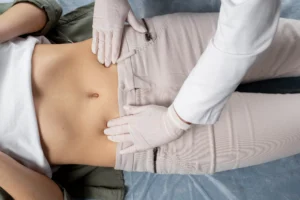
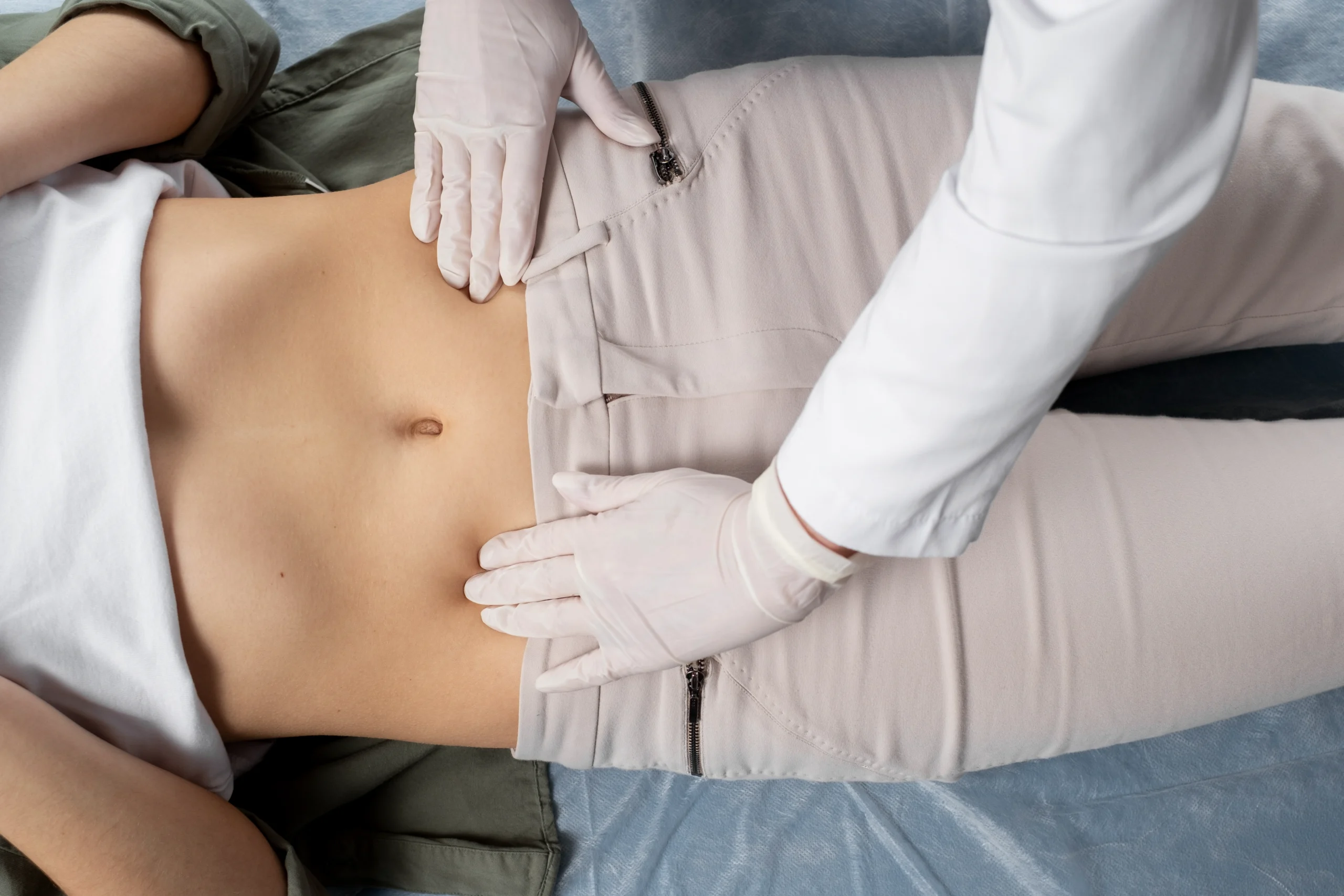
Many patients wonder about belly fat after colon resection and whether surgery affects their body shape. Some temporary bloating or changes in abdominal appearance are normal as your body heals. However, long‑term increases in abdominal fat are more closely linked to activity levels, diet quality, and metabolism rather than the surgery itself.
Maintaining a balanced diet, engaging in appropriate physical activity, and managing stress are key components for long‑term heart and metabolic health following colon surgery.
Exercise After Colon Surgery: Getting Active Safely
Physical activity plays a vital role in recovery. Exercise improves circulation, reduces the risk of blood clots, boosts mood, and supports healthy digestion. However, safety and timing are essential.
When to Start
In the early weeks after surgery:
- Avoid heavy lifting and strenuous workouts
- Take short walks throughout the day to promote movement
- Gradually increase walking distance as tolerated
Your surgeon will advise when you can resume more intense activities. For most patients, light to moderate activity can begin within a few weeks, with full return to exercise typically allowed after 6–8 weeks, depending on individual healing.
Always listen to your body and consult your surgeon before advancing your routine.
Lifestyle Tips for Long‑Term Recovery
Beyond diet and exercise, your overall lifestyle influences long‑term success and wellbeing:
Stay Hydrated
Adequate water intake supports digestion and overall health.
Avoid Smoking and Excessive Alcohol
These can impair healing and increase the risk of complications.
Follow Medication Instructions
Pain management, stool softeners, and other prescriptions help your recovery stay on track.
Attend Follow‑Up Visits
Regular check‑ins with your care team ensure that healing progresses and any concerns are addressed promptly.
When to Seek Medical Advice
Although many symptoms after surgery are expected, contact your surgeon if you experience:
- Fever or chills
- Persistent or worsening pain
- Redness, swelling, or drainage at the incision site
- Severe nausea or vomiting
- Sudden changes in bowel habits
Your surgical team at High Desert Surgeon is here to support you throughout your recovery journey.
Final Thoughts
Recovery after colon surgery involves patience, self‑care, and informed lifestyle changes. A balanced diet, gradual increase in physical activity, and good habits help you heal effectively and support long‑term health.
While temporary digestive changes and abdominal bloating may occur, focusing on proper nutrition and movement can help you feel your best.
If you have questions about your specific recovery plan, nutrition, or activity guidelines, don’t hesitate to connect with a High Desert Surgeon for personalized support.